Cancer didn’t seem possible: Jarrod’s story
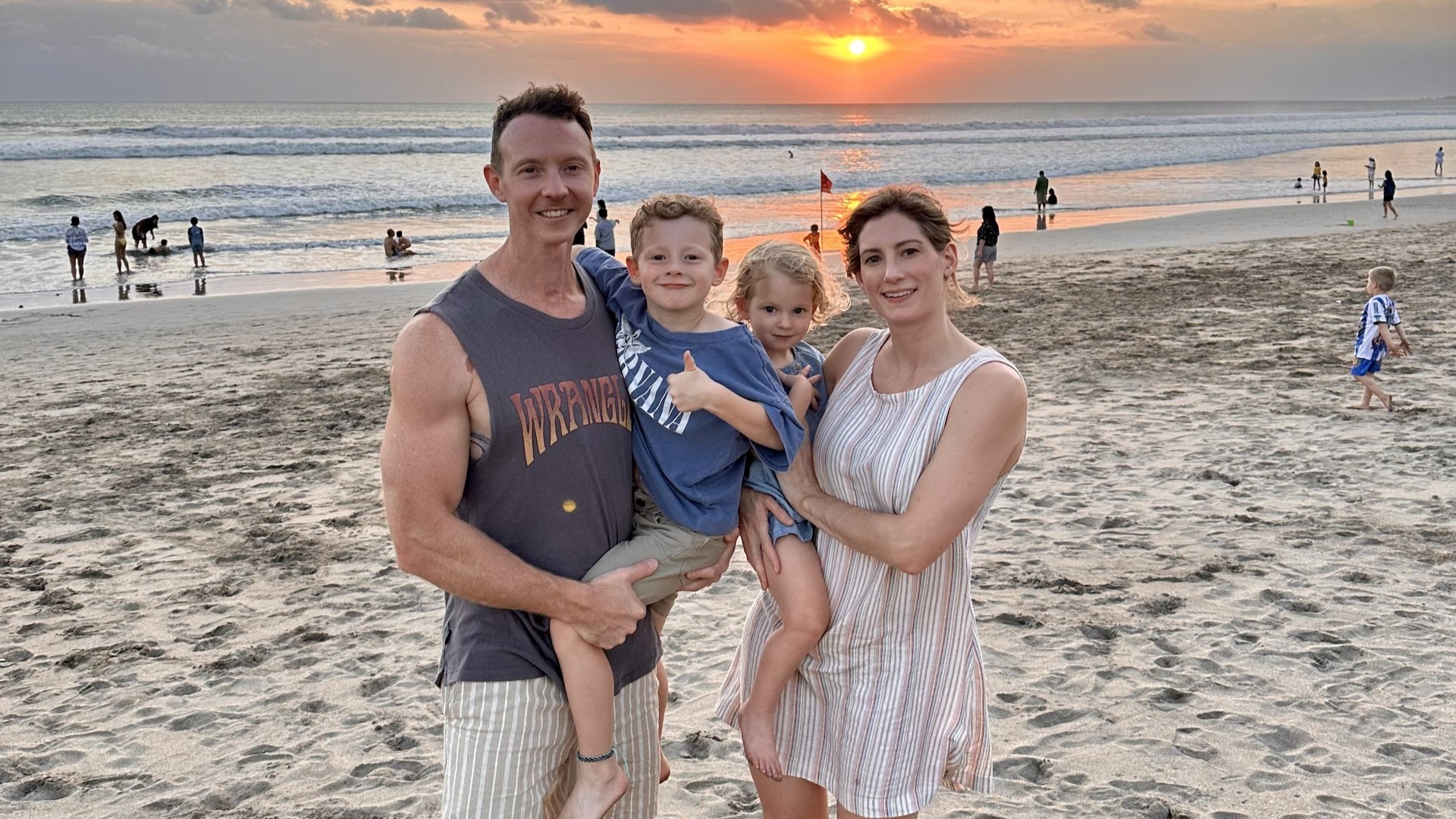
Jarrod Massuger was a young, healthy man with none of the usual oral cancer risk factors. His unusual case is part of a growing trend.
Oral cancer is increasingly being diagnosed in non-smokers, non-drinkers, and younger adults.
Lived experience oral cancer survivor, Jarrod Massuger, shares his powerful personal story – from discovery to recovery, and beyond.
"I was young, healthy, had no risk factors. Cancer didn’t even seem possible.”
In early 2021, I noticed a small ulcer on my tongue. At first, I didn’t think much of it. I’d been under stress, I sometimes clenched my jaw, and I assumed it would heal. And it did – once. But when it returned in the exact same spot, harder, more painful, and pain radiating into my ear, I knew something wasn’t right.
I was a non-smoker. I wasn’t a heavy drinker. I was 35, fit, healthy, and working in the medical device industry after years as a nurse and paramedic. Cancer didn’t even seem possible.
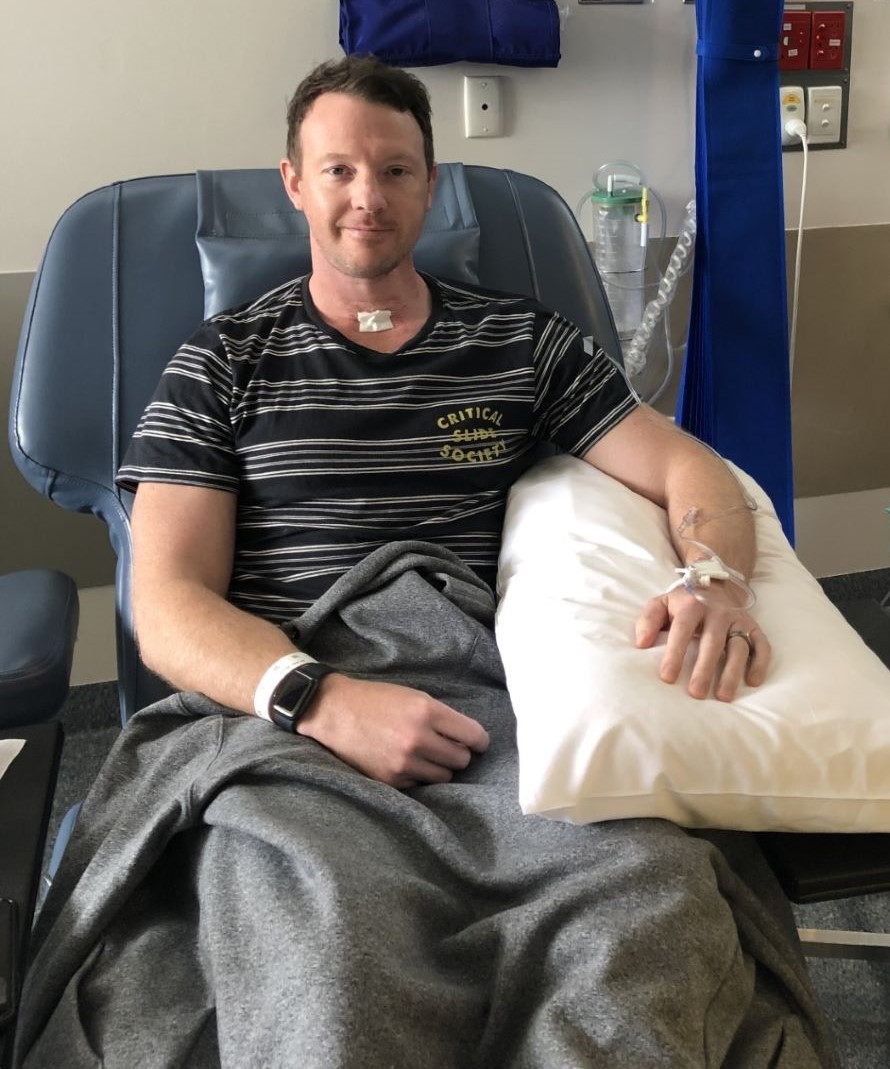
Still, the pain made it impossible to ignore. My wife, Julia, urged me to see a doctor. I didn’t have a regular GP, so I went to a bulk-billing clinic. The doctor wasn’t sure what it was but referred me to an oral surgeon. Soon after, I had a biopsy. It was uncomfortable and left my tongue swollen for days, but I was expecting nothing more than reassurance.
Then came the phone call: ‘Bring your wife with you.’
In June 2021, I was told I had stage three squamous cell carcinoma of the tongue. Hearing those words – ‘you have cancer’ – is something you can’t prepare for. I went from being a healthy young dad, to someone about to face major surgery, chemotherapy, and radiation.
What made my diagnosis even harder to comprehend was how rare it was. Oral cancers are usually linked to smoking, drinking, or HPV. I had none of those risk factors. My case was unusual – part of a growing trend of non-smoking, non-drinking (NSND) oral cancers in younger people.
My treatment journey was intense. Surgeons removed half of my tongue. I had seven weeks of chemotherapy and radiation.
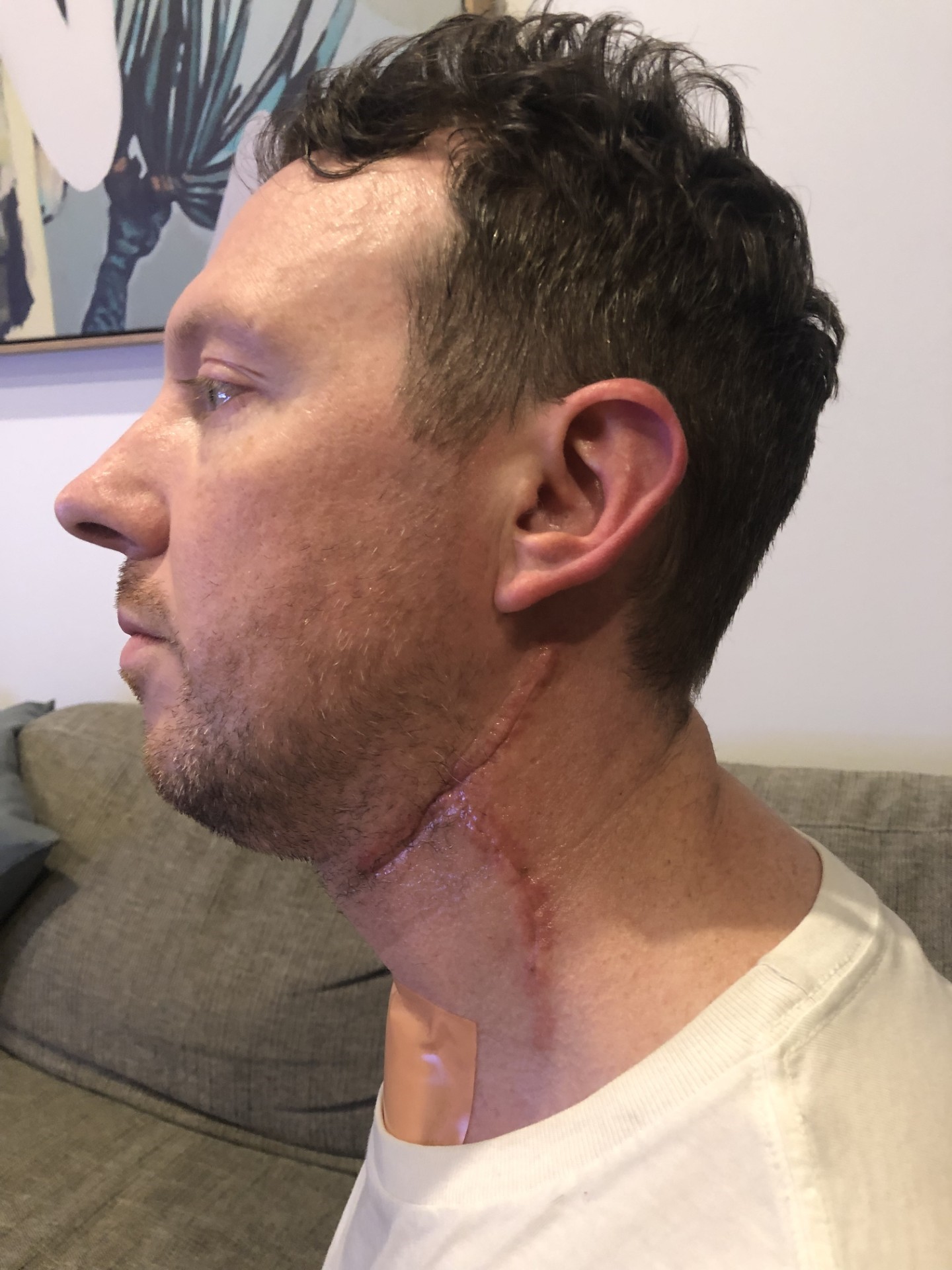 Talking, eating, even swallowing were suddenly the challenges I had to relearn. It was months of rehabilitation and time away from work, but I held on to two things: my family, and my determination to get through it.
As tough as it was, I never doubted the care I was receiving. My medical background gave me trust in the system and in my team at Monash Health. I decided early on that if I had cancer, I would face it head-on.
I wasn’t going to sit back—I wanted to fight.
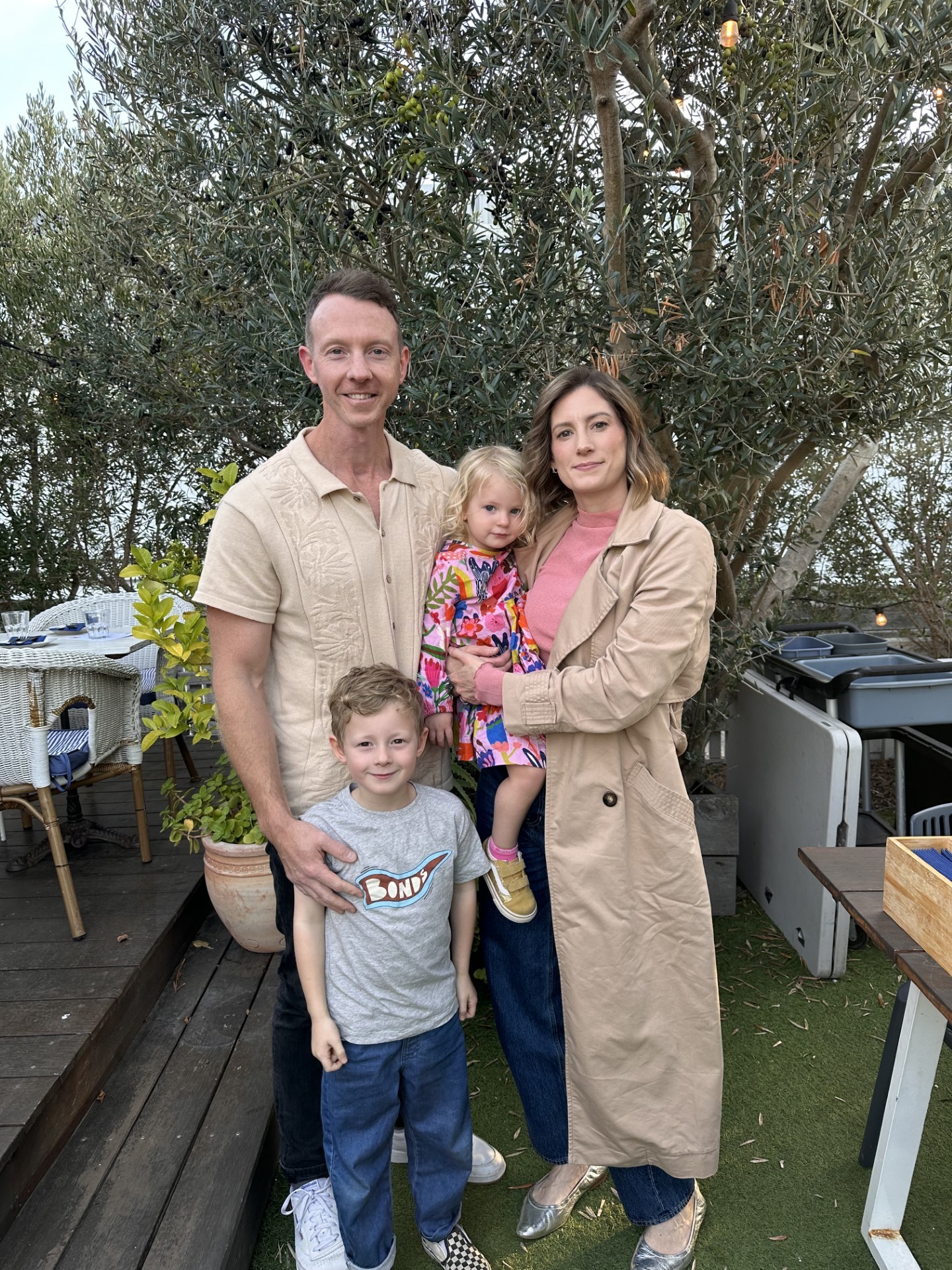
Today, I’m on the other side of that fight. I’m keeping fit in the gym, playing basketball and have returned to full time work. Best of all, I’m with Julia, watching our kids grow up.
Cancer didn’t take those things away from me and I’ve found new strength in speaking up about early detection. If there’s one message from my story, it’s that persistent mouth ulcers or tongue lesions should never be dismissed, even if the person is young, fit, and have no risk factors. If an ulcer doesn’t heal or returns, if it feels unusual or painful, please don’t overlook it.
I never imagined that something so small could mean cancer, but it did. And because we caught it, I’m still here.”
Key oral cancer takeaways
- Oral cancer is increasingly being diagnosed in non-smokers, non-drinkers, and younger adults.
- Recurrent or non-healing ulcers should always prompt timely investigation.
- A simple referral could mean the difference between life-saving early treatment and late-stage disease.
Learn more about the Victorian Oral Cancer Screening and Prevention Program.